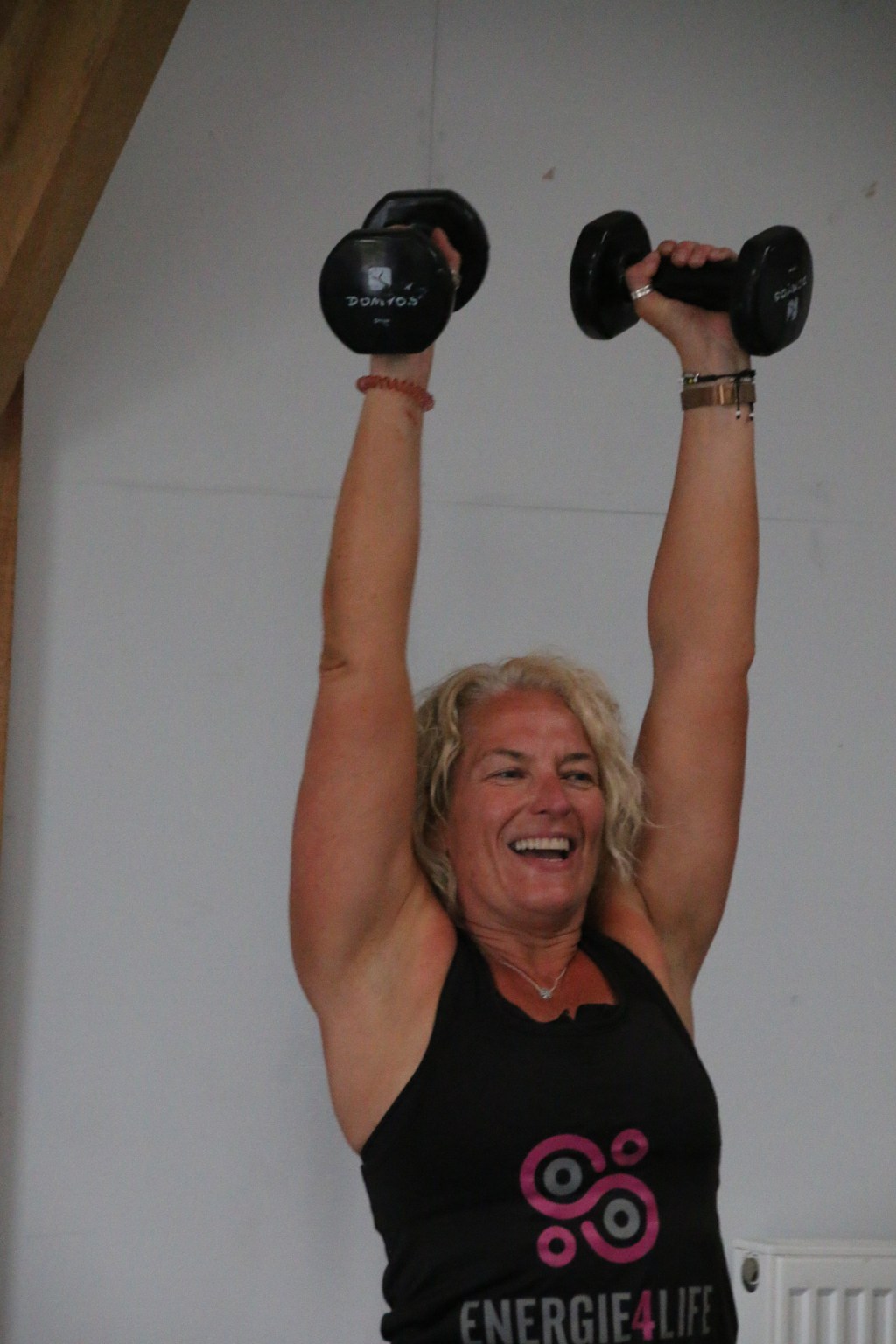
October 20th is World Osteoporosis Day, and it’s a moment to spotlight a silent but widespread condition: osteoporosis. Many people think of bone loss as an inevitable part of aging, but the reality is that prevention and early action can make a huge difference. Consider this startling fact: half of women over 50 and one in five men will break a bone because of osteoporosis — and most don’t even know they’re at risk.
Why this matters
A single fracture can reduce mobility, independence, and quality of life. Hip fractures in particular carry serious health risks, and recovery can be long and difficult. Because osteoporosis often has no symptoms until a fracture occurs, understanding risk and taking steps to strengthen your bones is essential.
Risk factors to watch for
– Age: Bone density typically decreases with age.
– Sex: Women are at higher risk, especially after menopause due to lower estrogen.
– Family history: A parent or sibling with osteoporosis or a hip fracture raises your risk.
– Low body weight or small frame: Less bone mass to begin with.
– Hormonal factors: Early menopause, low testosterone in men, or long-term corticosteroid use.
– Nutrition: Low calcium or vitamin D intake.
– Lifestyle: Smoking, excessive alcohol, and physical inactivity weaken bones.
– Medical conditions: Rheumatoid arthritis, thyroid disease, gastrointestinal disorders that impair absorption, and certain medications can contribute.
– Previous fractures: A prior fracture after minimal trauma suggests weakened bone.
Ways to lower your risk
– Get enough calcium and vitamin D: Aim for dietary calcium from dairy, leafy greens, fortified foods, or supplements when necessary; maintain adequate vitamin D through sensible sun exposure, diet, or supplementation after checking levels with your clinician.
– Build and maintain muscle: Strong muscles protect bones and reduce fall risk.
– Stop smoking and limit alcohol: Both harm bone health.
– Review medications and health conditions: Work with your doctor to manage conditions and minimise long-term steroid or other bone-impacting drug use if possible.
– Bone density testing: If you have risk factors (age, family history, prior fracture, or other red flags), get a DEXA scan and discuss results with your healthcare provider. Early detection allows earlier intervention.
– Medication when appropriate: For those at high fracture risk, several effective medications can reduce fracture risk — discuss options with a clinician.
Best types of exercise for bone health and prevention– (please speak to your health professional if you have been diagnosed with osteopenia or osteoporosis)
Exercise is one of the most powerful tools for preventing bone loss and reducing fracture risk.
– Weight-bearing aerobic activities: Activities done on your feet that make your bones work against gravity, such as brisk walking, hiking, stair climbing, low-impact dance, and tennis. Aim for most days of the week.
– Resistance training (best for building/maintaining bone and muscle): Progressive weight training using machines, free weights, resistance bands, or bodyweight exercises. Focus on major muscle groups 2–3 times per week and gradually increase resistance. (This is very effective for people with osteopenia and osteoporosis, when appropriately programmed)
– Impact exercises (if appropriate): Jumping, skipping, or light hopping stimulate bone formation, but these should be avoided or modified if you have established osteoporosis, vertebral fractures, or significant fall risk.
– Balance and functional training (essential for everyone, critical for those already with low bone density): Tai chi, balance drills, single-leg stands, and gait training reduce fall risk and should be included several times weekly.
Practical exercise tips
– Start slowly and progress safely.
– Focus on consistent, regular training rather than occasional intense sessions.
– Combine exercise types: aim for weight-bearing aerobic most days, resistance training 2–3x/week, and balance work daily or every other day.
– Seek professional guidance if you have fractures, severe osteoporosis, or other medical conditions — a tailored plan is safer and more effective.
Take action today
World Osteoporosis Day is a reminder that protecting bone health is doable and important. If you’re over 50, have risk factors, or have had a prior fracture, schedule a bone health check with your provider. Small changes now — better nutrition, regular targeted exercise, and medical review — can prevent fractures later.
Take the FREE 3 minute Great British Bone Check from the Royal Osteoporosis Society
 energie4life.co.uk